Data shows that traditional media has taken a more balanced view of Bitcoin in 2025.

Although mainstream media coverage of cryptocurrencies has become more negative in recent years, one report suggests that by 2025, traditional media coverage of Bitcoin will become more balanced, with more neutral coverage than negative articles.
Sentiment data collected by cryptocurrency intelligence platform Perception suggests that this change was less about enthusiasm for Bitcoin and more about the exhaustion of previous criticism.
Environmental issues that once dominated mainstream coverage will disappear by 2025, replaced by sporadic reports of crime, kidnapping and illegal use, according to Perception’s analysis, which tracked nearly 350,000 mentions across 407 media outlets.
Although these stories are singularly skewed towards the negative, they no longer frame Bitcoin itself as structurally harmful, giving it a more neutral net tone than its adversarial counterpart.


Data shows that for the first time, BTC’s biggest media moments are not centered around whether Bitcoin is dead. They were about how persistent Bitcoin is, and whether its infrastructure can scale and adapt to that persistence.
But this narrative shift didn’t happen overnight. Rather, Perception’s data shows it unfolded in distinct phases throughout the year.
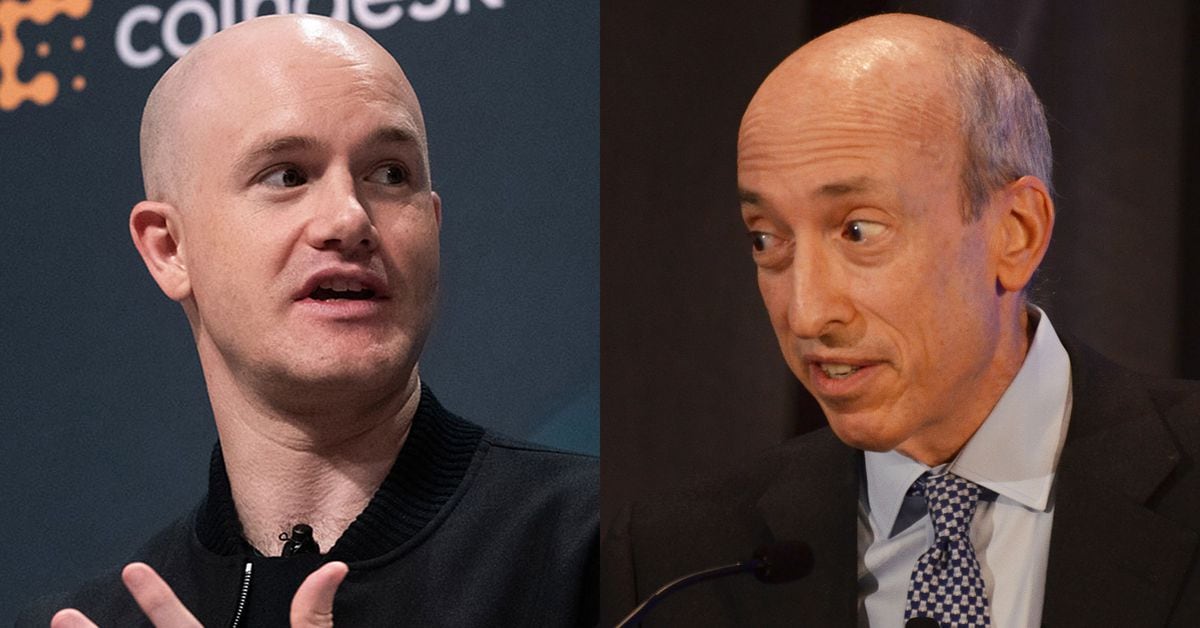
In January, the departure of SEC Chairman Gary Gensler changed the regulatory framework, relieving uncertainty caused by years of enforcement. This has led to many enforcement cases, such as those against Binance and Coinbase, being dismissed by the agency.
The policy was legalized in March with the issuance of an executive order establishing a strategic Bitcoin reserve. The industry is still awaiting the official outcome of the executive order, but this has shifted media coverage from speculative discussions to the impact on the state budget.
Bitcoin then hit new highs before a correction in October, providing price validation and reinforcing its status as a mature, volatile asset rather than a fragile experiment.
At the end of the year, attention shifted to technical issues surrounding the long-term crypto foundation, especially after advances in quantum computing reignited discussions about future-proofing the Bitcoin blockchain.
So where will the media’s attention turn in 2025, once reporting takes a more neutral and normalized stance?

Unsurprisingly, artificial intelligence (AI) has emerged as a dominant driver of interest across mainstream and digital channels. According to data from Perception.
AI as a topic has generated significantly more discussion and sharper sentiment swings, and has generated more controversy than Bitcoin, even though mining coverage, which had previously received mostly negative coverage, has skewed more positive, Perception said.

In the eyes of the mainstream media, Bitcoin appears to be a threat from yesterday rather than a disruptive threat from today. Because AI will inherit the volatility of interest that once defined cryptocurrency coverage.
With cryptocurrency prices largely range-bound, only time will tell what catalyst will shift the range back in crypto. But for now, it appears that AI will dominate media narratives in 2026, both positive and negative.
market movements
Bitcoin: Bitcoin is holding above $92,000 as ETF inflows reappear and liquidations remain, suggesting institutional support beneath the market rather than a momentum-driven breakout.
ETH: Ethereum is rising near $3,160, with some gains and liquidations pointing to steady accumulation rather than a speculative drive.
gold: Gold is trading at $4,392.93, maintaining a broader upward trend as geopolitical risks led by Venezuela and upcoming U.S. employment data focus on safe haven demand and expectations of a rate cut from the Federal Reserve despite a recent sell-off on the margins.
Nikkei 225: Japan’s Nikkei 225 index surged 2.26% in its first trading session of 2026, leading gains across Asia-Pacific markets after the United States announced it had captured Venezuelan President Nicolas Maduro, while oil prices edged lower due to geopolitical uncertainty.
Elsewhere in Cryptocurrency
- Bitfinex hacker Ilya Lichtenstein credits Trump’s First Step Act for early release (CoinDesk)
- The SEC’s only Democratic member, Caroline Crenshaw, has left the agency, leaving all Republican panels behind (The Block).
- All of Trump’s Pardons for Prominent Crypto Figures So Far (Decrypted)