US market | In a frothy market, Brookfield’s Bruce Flatt advocates value over fashion for long-term benefits.
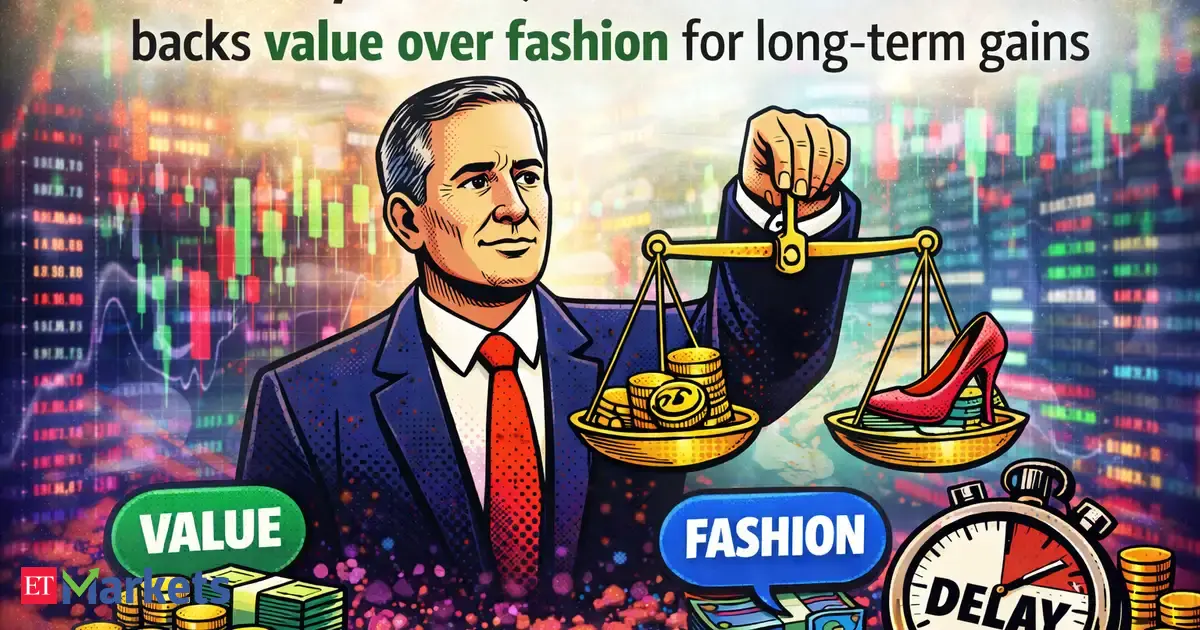
In a presentation he gave on Talk @ Google a few years ago, the video of which is available on YouTube, about Brookfield’s investment approach, Flatt consistently emphasized the importance of moving away from crowded transactions and focusing on undercapitalized areas. He believes that in times when investor sentiment is driven by short-term news flows and momentum, the biggest opportunities often lie in temporarily unpopular sectors.
Flatt’s framework focuses on profitability and durable cash flow rather than headline growth. He has repeatedly argued that growth itself does not necessarily lead to value creation. Instead, Brookfield prioritizes assets and businesses that can generate consistent returns over the long term, even if they are not part of the market’s dominant story.
A key pillar of this strategy is investing in real assets such as infrastructure, real estate and renewable power, which tend to provide long-term contractual cash flows and inflation protection. According to Flatt, these assets provide resilience during market cycles and can help smooth out volatility as traditional stock markets move in response to changing risk appetites.
In an environment where investors are increasingly influenced by fast-moving trends, Flatt cautions against being swayed by popular narratives or excessive optimism. He pointed out that successful investing requires a contrarian mindset, willing to invest capital when others are pulling back and remaining disciplined when markets heat up.

Another core principle of Brookfield’s approach is to purchase high-quality assets, even at a modest premium, while acquiring them below long-term replacement cost. Flatt believes this provides a margin of safety and improves the odds of earning superior returns over time.
With market volatility expected to remain high due to global policy changes and economic uncertainty, Flatt suggests long-term investors stick to fundamentals, focus on cash generation and resist the urge to follow market trends. He believes that patience and values-driven discipline over time become the most reliable drivers of sustainable returns.(Disclaimer: Recommendations, suggestions, views and opinions provided by experts are their own. They do not represent the views of The Economic Times.)