Examples of digital assets in real life
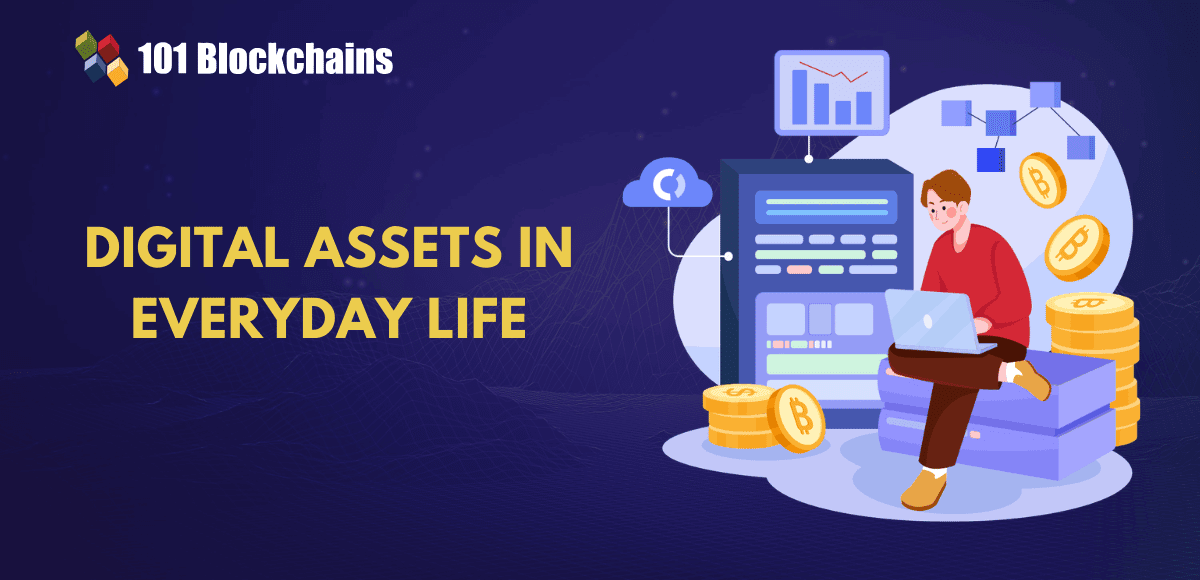
Everyone reading this lives in a digital-first world where almost anything can be found in the digital realm. In fact, digital assets have completely transformed traditional perspectives on how people invest, conduct financial transactions, and own property. We need to take a comprehensive look at the digital asset case study to see how it can change the world. Tokenization of traditional assets is one of the best examples of how digital assets have come into the spotlight.
- By 2026, nearly 30% of U.S. adults will be cryptocurrency owners, indicating strong adoption of digital assets (source).
- 75% of institutions expect to increase their overall allocation of digital assets in 2026 (source).
- The digital asset market is expected to generate approximately $112 billion in revenue by 2026 (source).
With the number of cryptocurrency owners increasing and interest in asset tokenization rising, we can see positive sentiment towards digital assets in the market. There was a time when the term ‘digital assets’ referred to an organization’s digital files, including images, videos and other documents. As the definition of digital assets changes, we can better understand their notable transformations by learning from real-world examples.
Step into the future of finance. Become a Certified Digital Asset Compliance Professional (CDACE)™ and gain confidence in cryptocurrency compliance, auditing, and governance.
Understand the importance of digital assets in real life
The easiest way to describe digital assets is to represent them as digital representations of value or ownership on a blockchain. Digital assets can be owned, transferred, and traded like any other asset, but they cannot be physically touched or held. The most notable examples of digital assets that can be found today are cryptocurrencies such as Bitcoin and Ethereum. Additionally, NFTs, stablecoins, and utility tokens used on various platforms also demonstrate diverse applications of digital assets.
Why should we learn real-world digital asset examples? This is important to understand as you learn about digital assets.
- Ownership of an asset.
- Applicable securities laws, tax rules and compliance requirements for the assets.
- Security issues, including fraud and fraud, and concerns about the volatility and custody risk of assets.
- Different ways to use assets in real-world applications.
Businesses and investors interested in exploring digital assets need to know all these aspects to make the most of them. Most importantly, understanding the different types of digital assets through real-world examples also helps identify approaches to taxation and governance of digital assets.
Unravel the best real-life digital asset cases
You may be wondering how digital assets affect our real, everyday lives. Distinct subcategories of digital assets seen in real life provide a clear glimpse into why we need them now. Find the answer to “What are the most valuable digital assets?” Recognizing notable digital asset variations can make things a lot easier. Understanding the utility of common digital assets found in real life will help you utilize those assets to their full potential.
1. Real Asset Token or RWA
If you search for the closest digital asset to real life, you’ll come across real asset tokens, or RWAs. These digital assets represent ownership of tangible and intangible assets on a blockchain network. RWA token leverages tokenization to bring real estate ownership, corporate revenue streams, and commodities to the blockchain. The unique feature of these digital assets is that they are backed by physical or tangible assets, providing exposure to these assets in the digital space.
Real-world asset tokenization has emerged as a promising next-generation solution for raising business capital. RWA tokens can be thought of as similar to traditional securities instruments. However, you will not receive any share certificates or notes for your RWA token investment. Conversely, tokens represent an investment stake in a specific asset.
It is important to know that RWA tokens are not a cryptocurrency and can only be issued and traded on approved platforms. RWA tokens are perhaps one of the examples of digital assets that offer greater regulatory certainty and security features. Real estate, stocks, bonds, private equity or debt, and employee stock options can be tokenized with RWA tokens.
The growth of RWA tokens as a promising digital asset investment option centers around benefits for issuers and investors. Asset tokenization expands the reach of global investors, enables access to more liquidity options, and reduces intermediaries and operating costs. Additionally, investors can utilize tokenized assets to benefit from fractional ownership of high-value assets and diverse investment portfolios.
Enroll in our Tokenization Basics course today to understand the fundamentals and practical implications of tokenization.
2. Cryptocurrency
It is unthinkable to make a list of digital assets without including cryptocurrencies. Cryptocurrency is a type of digital asset that acts as a medium of exchange and store of value that can be created and stored on a blockchain. Cryptocurrencies provide the flexibility to conduct secure financial transactions by leveraging cryptographic capabilities. The decentralized network on which a cryptocurrency is based also plays a pivotal role in controlling the development of new cryptocurrency units.
The ideal approach to understanding the usefulness of cryptocurrencies as digital assets is to learn about their common characteristics. Cryptocurrencies have no intrinsic value like real estate or gold and their value depends on how much you are willing to pay for them. All cryptocurrencies exist as digital assets on the blockchain and are not controlled by banks or central authorities.
The blockchain’s network of nodes hosting the cryptocurrency verifies and securely registers cryptocurrency transactions on the blockchain. With decentralized governance, network participants or code on the blockchain determine the supply of cryptocurrency. One of the striking aspects of cryptocurrencies is how their use cases have expanded over the years. Cryptocurrencies can now be used for payments, cross-border payments, remittances, and even loans.
3. Central bank digital currency and stablecoin
The next big examples of digital assets in real life will draw attention to central bank digital currencies, CBDCs, and stablecoins. In fact, CBDCs are one of the few examples of digital assets that offer regulatory uncertainty. Central bank digital currencies refer to tokens that represent a country’s fiat currency and are typically issued and regulated by a country’s central monetary authority. CBDCs are therefore fundamentally different from cryptocurrencies in that they do not follow the principles of decentralization.
You can find examples of CBDC projects implemented in several countries, many of which are in pilot stages. Nigeria introduced the eNaira project in 2021, while China launched e-CNY in 2020. India and Russia are also among the top countries experimenting with CBDC and its potential for financial innovation.
Aside from CBDCs, we can see that stablecoins are gaining a lot of momentum in the digital asset space. A stablecoin is a cryptocurrency backed by a stable asset, its value pegged to a stable asset such as gold or the US dollar. The stability of stablecoin prices may be due to collateral or price adjustments through algorithms. The most popular examples of stablecoins include USDT, USDC, and DAI.
Master the future of digital finance! The Stablecoins Mastery Course will give you practical training on how to integrate stablecoins with DeFi platforms, smart contracts, cryptocurrency wallets, and cross-border payments.
final thoughts
Examples of different types of digital assets show that the world is no longer new to digital assets. You may have witnessed how cryptocurrencies have penetrated the traditional financial services sector with a variety of use cases offering promising benefits. Other examples of digital assets highlighted in this discussion are also drawing attention to the RWA token. You will find a wide range of opportunities to leverage RWA tokens and bridge the gap between real-world assets and the digital space. CBDCs and stablecoins are also promising examples of using digital assets to change the way we interact with money. Learn more about digital assets and prepare your ideal roadmap for digital asset adoption today.