US stock market | Dollar reasserts dominance as investors seek refuge from oil surge.
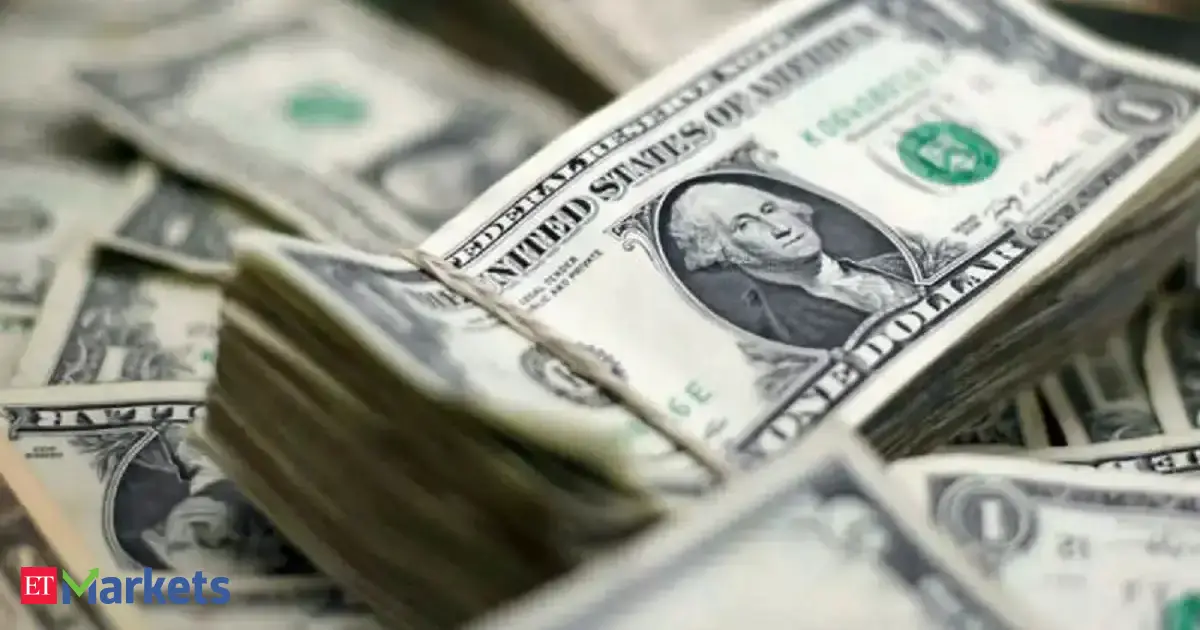
The dollar index rose nearly 1% on Monday, posting its strongest daily performance in seven months, according to Reuters. The rally was broad-based, with the dollar rising against its major peers as investors sought safety amid concerns of further rises.
The rebound comes after months of skepticism about the dollar’s appeal in times of crisis. Those doubts were solidified last year when the currency failed to strengthen during a tariff-fueled global sell-off triggered by Washington’s sweeping trade measures announced on April 2, 2025, an event that market participants called “Liberation Day.” The dollar’s muted reaction during the incident raised concerns that the greenback’s reflexive safe-haven bid could be weakened.
However, this time the script appears different. The depth and liquidity of U.S. financial markets remain a decisive advantage, analysts told Reuters. In times of extreme stress, the U.S. Treasury market is seen as the only place capable of absorbing massive global capital flows. When investors flock to government bonds, demand for dollars naturally follows.
The lack of viable alternatives also strengthened the currency’s appeal. While the euro, yen and gold have attracted attention as safe haven assets in recent months, the size and accessibility of the U.S. market makes it difficult for global investors to completely avoid the dollar in a massive de-risking effort, investment managers said.

Why did the dollar fall before?
Market participants believe the dollar’s unusual weakness during last year’s turmoil stemmed from the risks themselves. Since the shock was caused by US policy, namely aggressive tariff measures, investors were reluctant to seek refuge in the very currency associated with uncertainty. Analysts said the incident temporarily undermined the dollar’s central role in global finance, causing investors to turn to non-U.S. assets.
In contrast, the current tensions are geopolitical and external in nature. When instability occurs outside of US policy actions, the dollar’s defensive nature tends to resurface. Strategists told Reuters that market trends on Monday strengthened the view that the dollar’s haven appeal remains intact amid the internationally driven crisis.
Also read | NFO Insight: Can TRUSTMF Mid Cap Fund’s GARV and LIM strategies help you identify quality mid-cap opportunities?
Additional support for energy dynamics
Another factor supporting the dollar’s strength was the United States’ position as a net exporter of energy. Rising oil prices often hurt energy importing countries, putting pressure on their currencies. However, the United States is relatively isolated from these shocks compared to Europe or Japan. Reuters reports that these dynamics have added a structural tailwind to the dollar during the recent surge in crude oil prices.
That said, not all market observers are convinced that the dollar’s haven status is permanently safe. Some analysts have warned that the debate over the dollar’s long-term resilience is not yet resolved. High U.S. fiscal deficits, policy volatility, and global overexposure to U.S. assets can change traditional correlations under certain types of shocks.
The dollar may not be able to respond decisively, especially if future disruptions stem from broader economic fears rather than energy disruption or liquidity stress. Portfolio managers told Reuters that amid generalized growth fears, currencies could behave more like risk assets than havens.
Oil holds the key
Going forward, oil prices may be a deciding factor. Macro strategists said the dollar is likely to remain bid up if crude oil prices continue to rise and risk appetite is curbed. Conversely, if oil prices retreat and tensions ease, traditional safe havens such as the Swiss franc and Japanese yen could reemerge.
But for now, the dollar’s performance is giving investors confidence. In a week of airstrikes, oil surges and heightened geopolitical instability, the dollar reminded markets why it has long been considered the world’s best financial haven.